








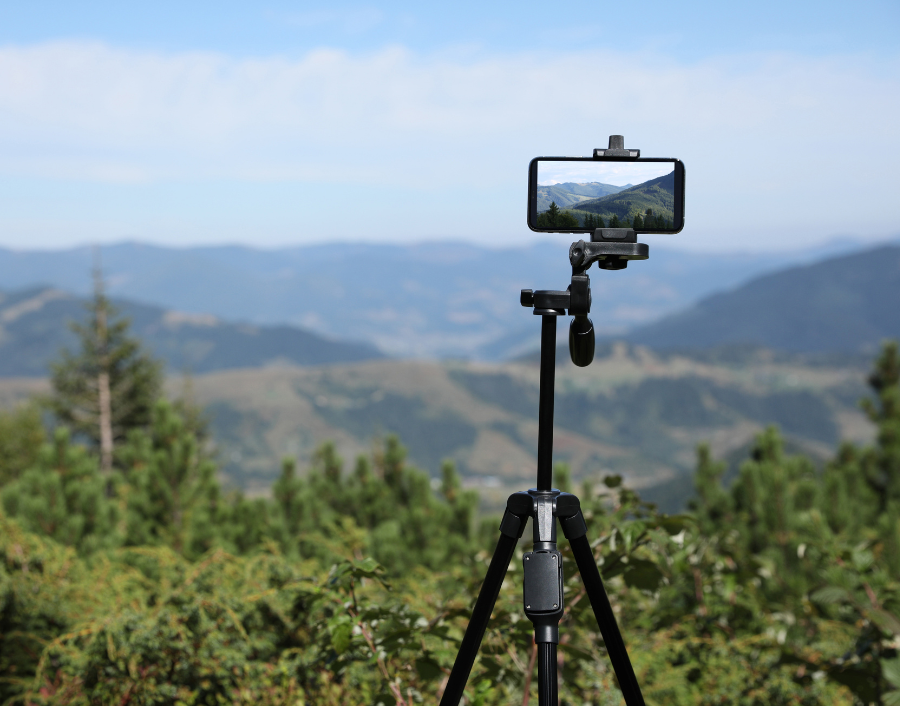
In a world where news breaks in seconds and attention spans are shorter than ever, journalism has undergone a dramatic transformation. Gone are the days when bulky cameras, satellite vans, and large production crews were essential to capture a story. Today, a powerful newsroom fits right into your pocket.
Welcome to the era of Advanced Mobile Journalism (MoJo)—where smartphones are not just communication tools, but storytelling machines that are redefining how news is created, consumed, and shared.
The Rise of Mobile Journalism
Mobile Journalism, often referred to as MoJo, is the practice of gathering, producing, and distributing news using mobile devices such as smartphones and tablets.
What makes this shift revolutionary is not just the technology, but the change in mindset. Journalists are no longer tied to traditional newsroom infrastructure. Instead, they can shoot, edit, and publish stories directly from their phones—often in real time.
With over billions of smartphone users globally and increasing internet accessibility, the audience itself has also become a contributor. News is no longer a one-way broadcast—it’s a dynamic, participatory ecosystem.
The Smartphone: A Pocket-Sized Newsroom
Imagine covering a breaking protest, natural disaster, or political rally. Traditionally, it required a full crew, heavy equipment, and hours of setup. Today, a mobile journalist can simply pull out a smartphone and start reporting instantly.
Smartphones enable journalists to:
- Capture high-quality video and audio
- Edit content using mobile apps
- Publish instantly across platforms
- Engage audiences through social media
This “all-in-one” capability has turned smartphones into compact production studios, making journalism faster, more efficient, and highly adaptable.
Speed: The New Currency of News
In modern journalism, speed is everything. News is perishable—its value diminishes with time. Mobile journalism thrives on immediacy, allowing reporters to deliver real-time updates from the ground.
Whether it’s live streaming an event or uploading breaking news within minutes, MoJo ensures that audiences receive information as it unfolds.
This speed not only enhances competitiveness but also builds credibility in a digital-first world where audiences expect instant updates.
Cost-Effective and Accessible
One of the most powerful aspects of mobile journalism is its affordability. Traditional news production involves expensive cameras, editing systems, and logistical costs. In contrast, a smartphone and a few accessories can deliver comparable results at a fraction of the cost.
This cost-effectiveness has democratized journalism. Independent creators, freelancers, and small media houses can now produce high-quality content without massive investments.
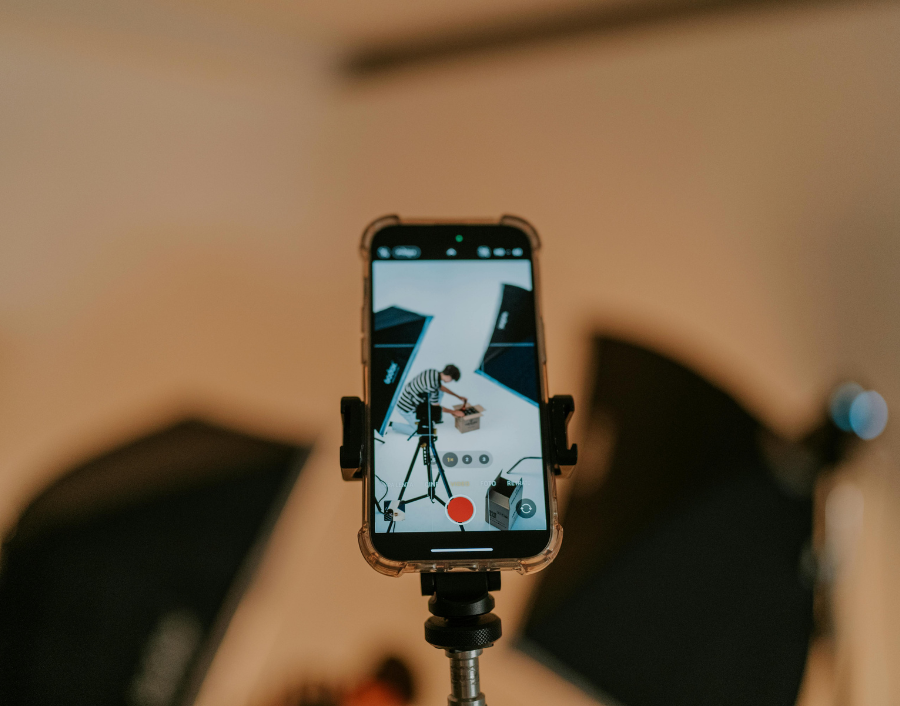
Breaking Barriers: Reporting from Anywhere
Mobile journalism has expanded the boundaries of storytelling. Reporters are no longer limited by geography or infrastructure.
With a smartphone, journalists can:
- Navigate crowded spaces easily
- Report from remote or conflict zones
- Capture intimate, on-ground perspectives
This flexibility allows journalists to reach places where traditional media setups cannot operate efficiently.
The result? More inclusive, diverse, and ground-level storytelling that brings unheard voices into the spotlight.
Empowering Citizen Journalism
Mobile journalism has blurred the line between professional journalists and the public. Today, anyone with a smartphone can capture and share important events.
From viral videos to on-ground crisis reporting, citizen journalism plays a crucial role in shaping narratives and bringing transparency.
While this democratization raises concerns about misinformation, it also highlights the need for digital literacy and responsible storytelling—areas focused on which can lead impactful change.
The Future of Newsrooms
The newsroom of the future is not confined to a building—it is decentralized, digital, and dynamic.
Media organizations are increasingly adopting mobile-first strategies, equipping journalists with smartphones and training them in MoJo techniques. Even global networks are embracing this shift to enhance efficiency and coverage.
Conclusion: A New Era of Storytelling
From smartphone to story, the journey of journalism has never been more exciting. Advanced Mobile Journalism is not just a trend—it is the future of media.
It empowers individuals, accelerates storytelling, and connects audiences like never before. In this fast-paced digital landscape, the ability to capture, create, and communicate instantly is redefining what it means to be a journalist.
At Wings & Rings Media, embracing mobile journalism is not just about adopting new tools—it’s about nurturing a new generation of storytellers who are agile, authentic, and impactful.
Because today, the most powerful newsroom isn’t a place.
It’s in your hands.